 My Account
 Conforming Curb Adapter
Any roof curb, rigid or vibration, that have been engineered and stamped to meet current IBC 2015 (you may also hear this as complying or calculated).
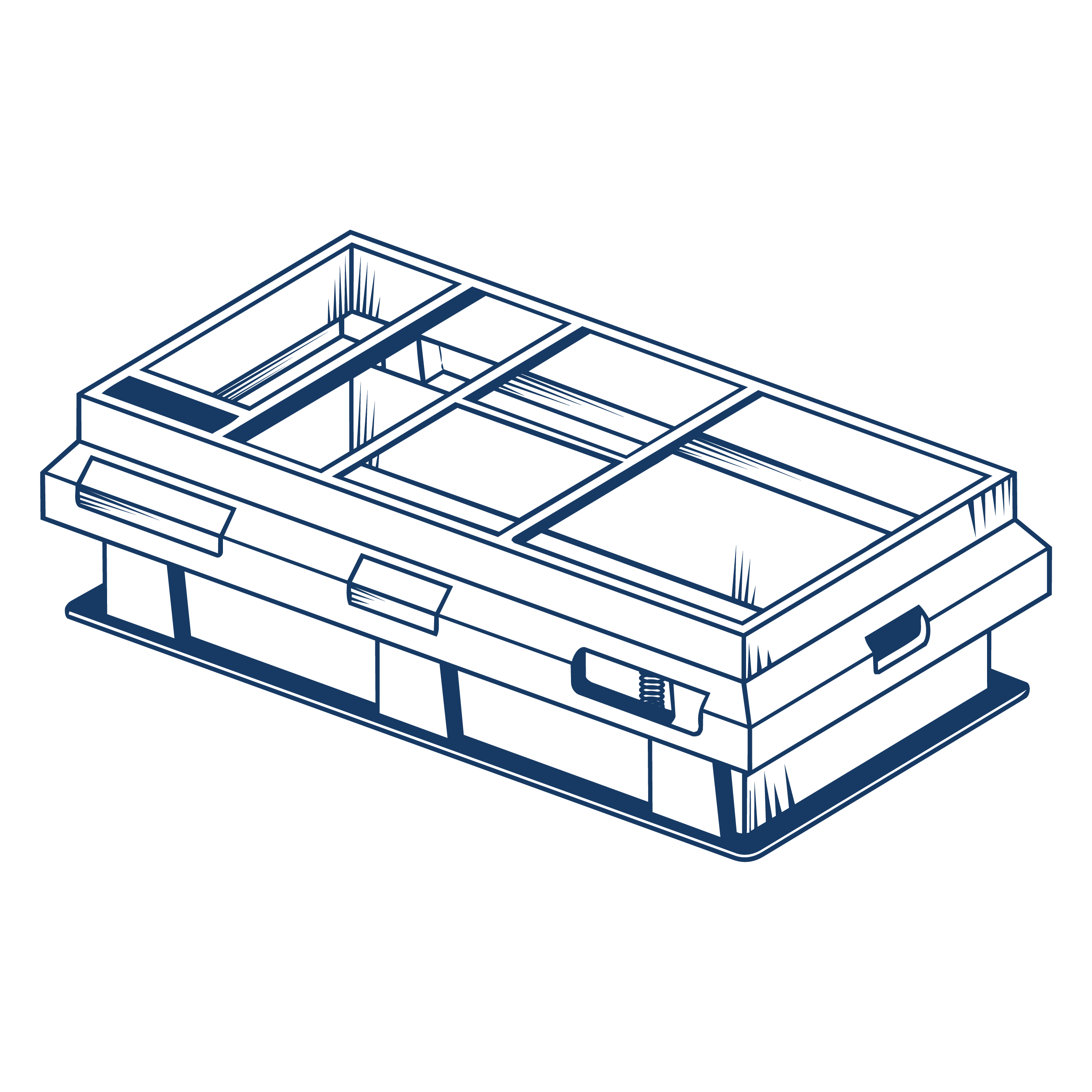
Engineered and stamped to meet current IBC requirements, CDI's Conforming/Seismic curb is available in both rigid mounted and vibration isolated configurations. Rigid mounted curbs are solidly braced directly to the building structure, while vibration isolated versions use adjustable spring isolators to allow flexible motion between equipment and structure. All seismic curb systems undergo SolidWorks Simulation load testing prior to fabrication, accounting for RTU/AHU weight, center of gravity, and dynamic seismic loads to ensure full code compliance.
Rigid Mounted
A rigid mounted curb is solidly braced or bolted directly to the building structure without vibration isolation. It transfers all equipment weight and seismic load directly through the curb into the building structure. Best for applications where vibration is not a concern and code compliance is the primary requirement.
Vibration Isolated
A vibration isolated curb uses adjustable spring isolators to allow flexible motion between the equipment and the building structure. It absorbs mechanical resonance and prevents rooftop vibrations from transferring into the building below while still meeting seismic code requirements. Best for applications where both vibration control and seismic compliance are required.
CDI’s Engineering Process
Every CDI conforming curb system is subjected to SolidWorks Simulation load testing prior to fabrication. Our engineering team accounts for RTU/AHU weight, center of gravity, and dynamic seismic loads to ensure a minimum 90% isolation efficiency where applicable. All systems are stamped to meet IBC 2015 requirements and can be fully installed and roofed in prior to RTU/AHU mounting — minimizing unaccounted labor time and delays common with field assembly required alternatives.
Key Terms
- Conforming/Seismic Roof CurbAny roof curb — rigid or vibration isolated — engineered and stamped to meet current IBC 2015 requirements. Also referred to as complying or calculated curbs.
- Rigid MountedA curb solidly braced or bolted directly to the building structure without vibration isolation, transferring all equipment weight and seismic load directly into the structure.
- Vibration IsolatedA curb using adjustable spring isolators to allow flexible motion between equipment and the building structure, absorbing mechanical resonance while maintaining seismic compliance.
- Conforming/Seismic Restraint DeviceAn attachment device designed to help equipment withstand an earthquake while maintaining structural integrity.
- Load Transfer AnglesAngles bolted to both the equipment and building structure, transferring equipment weight and earthquake load through to the structure.
- Restrained SpringA vibration isolator containing a spring enclosed in a welded or bolted steel housing that limits equipment movement while absorbing vibration.
- Housed SpringA spring isolator with steel guides separated by an elastomeric sheet, providing controlled vibration isolation on two opposing sides.
- BumpersSteel shapes rigidly mounted to the building structure in a pattern around the equipment base to limit horizontal movement during a seismic event.
- Manufactured Isolation CurbA factory built curb containing vibration isolators that allow slight controlled movement of the equipment — as opposed to field assembled alternatives.